Grade 7 · March 2019
Flying Visitors of BMS
March 2019 · Grade 7
In March 2019, after a school assembly on birds, Principal Mrs. Sophia Varkey set Grade 7 an open challenge on behalf of the class: put together a book on the birds that visit BMS, in a week. Hriday, Jagan, Kavin, Karol, Nirupama and Tenzin gathered thirteen species spotted around the school and wrote them up as a field guide, photograph and handwritten note for every entry.
#BMS #Ooty #CambridgeSchool #SmallIsStrong #Grade7 #StudentsWall #Birdwatching
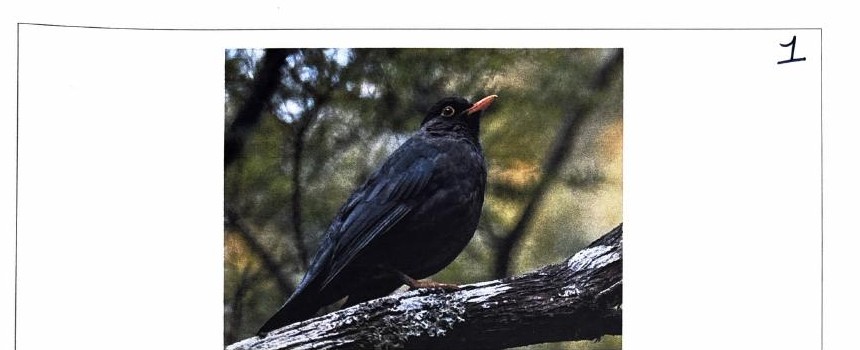
Blackbird
23.5–29cm in length, has a long tail and weighs 80–125 grams. The adult male has glossy black plumage, blackish-brown legs, a yellow eye-ring and an orange-yellow bill. The adult female is sooty-brown with a dull yellowish-brownish bill and a brownish-white throat.


The Black and Orange Flycatcher
Unique among the Ficedula flycatchers in having rufous coloration on its back, and prior to molecular studies was suggested to be related to the chats and thrushes.
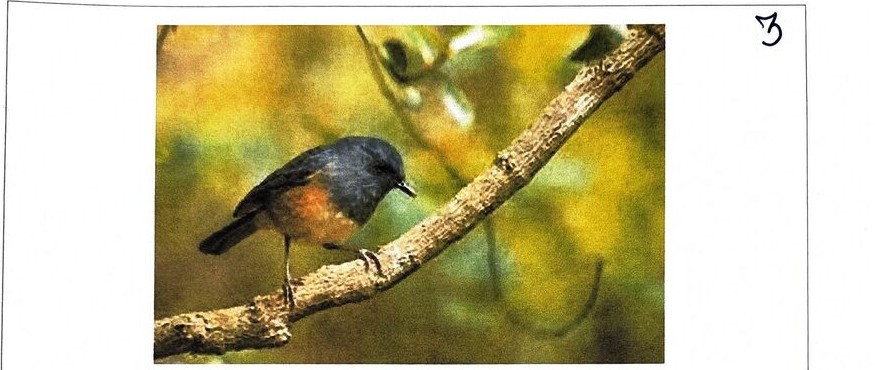
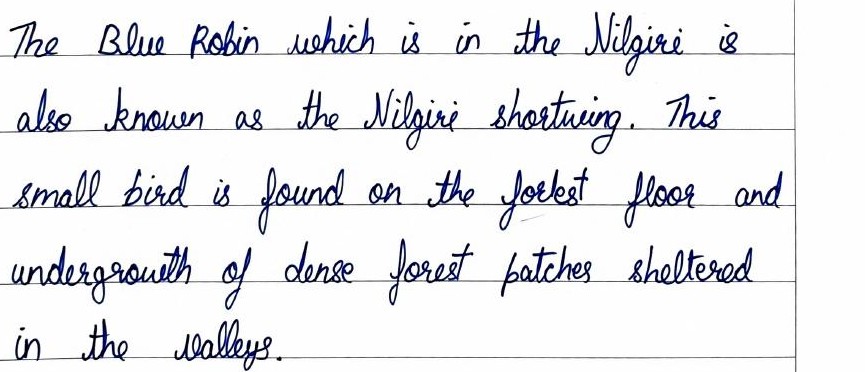
Blue Robin
The Blue Robin which is in the Nilgiri is also known as the Nilgiri shortwing. This small bird is found on the forest floor and undergrowth of dense forest patches sheltered in the valleys.
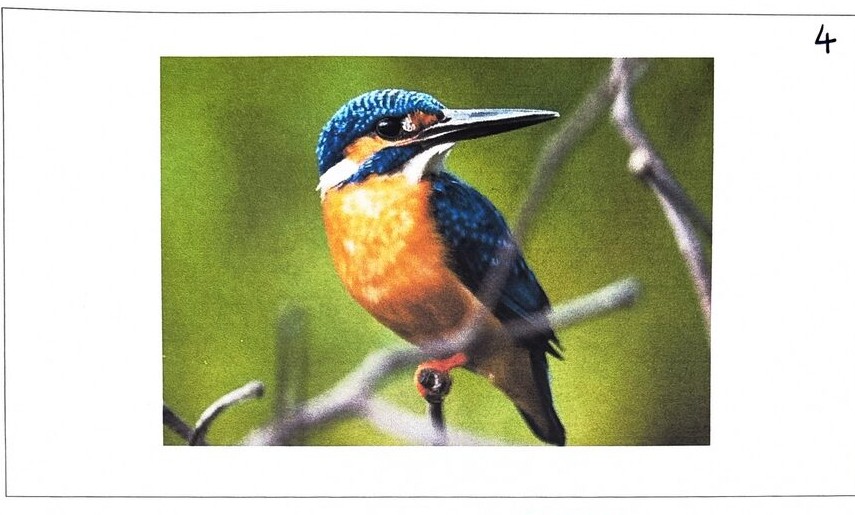
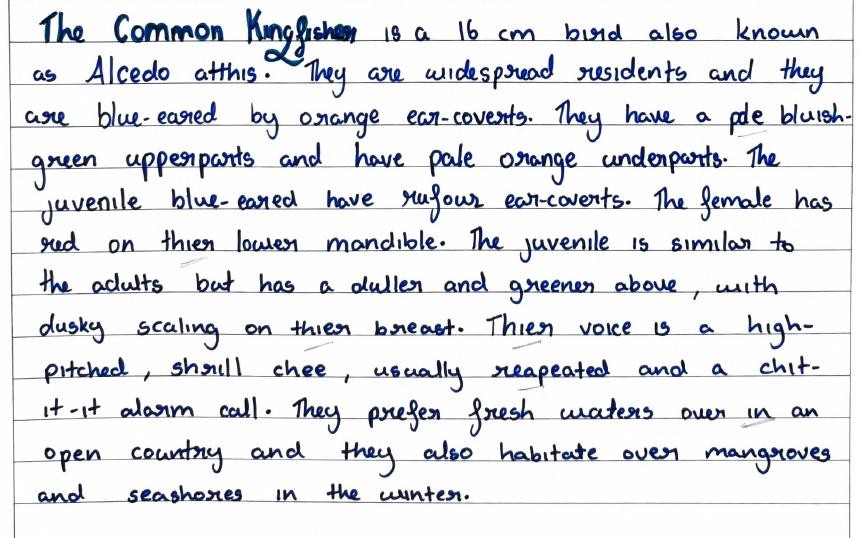
The Common Kingfisher
A 16cm bird also known as Alcedo atthis. They are widespread residents, blue-eared with orange ear-coverts, pale bluish-green upperparts and pale orange underparts. Their voice is a high-pitched, shrill chee, usually repeated, and a chit-it-it alarm call. They prefer fresh waters in open country and also inhabit mangroves and seashores in the winter.
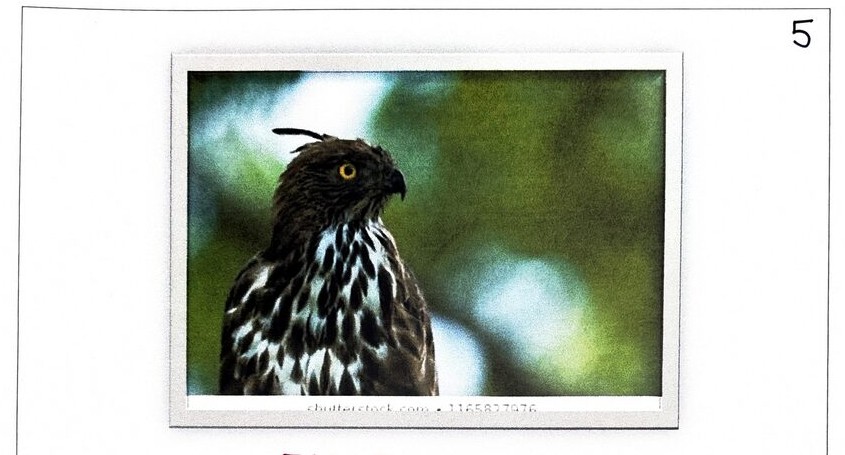
Eagle
Eagle is the common name for many large birds of prey of the family Accipitridae. They belong to several groups of genera, not all of them closely related. Most of the 60 species of eagles are from Eurasia and Africa.
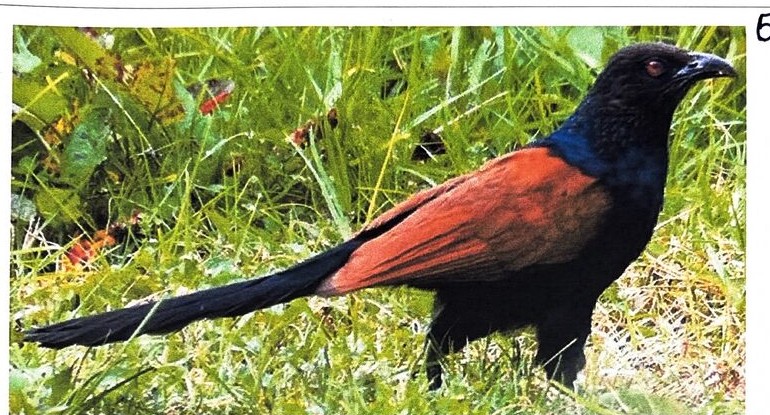
Greater Coucal or Crow Pheasant
A Coucal is one of about 30 species of birds in the Cuckoo family. Unlike many Old World Cuckoos, Coucals are not brood parasites, though they do have their own reproductive peculiarity.
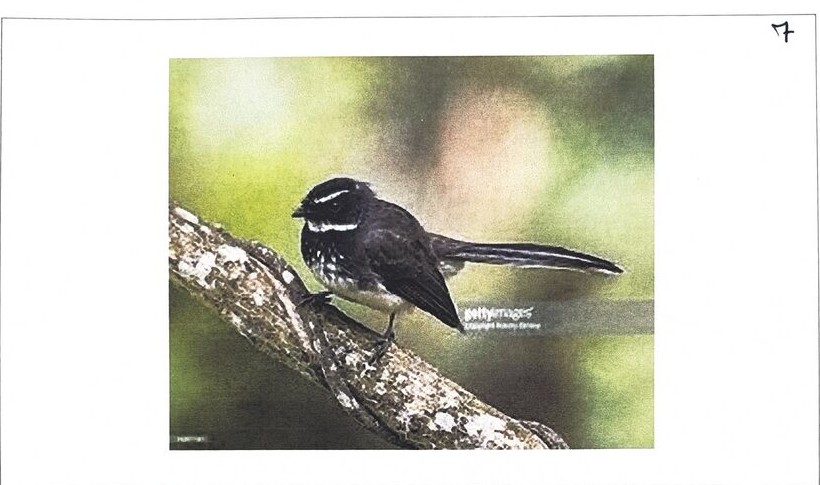
The Fantails
The fantails are small-bodied birds with long tails — in some species the tail is longer than the bird, but mostly the tail is longer than the wing. When the tail is resting or folded it's rounded at the neck, but when it's open it forms a fan shape that gives the family its name.
The Grey Tit
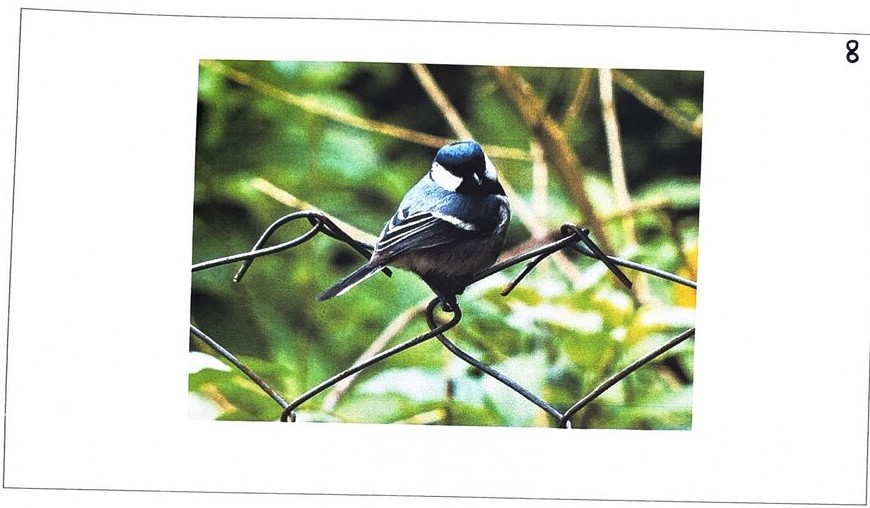
They are made up of several populations that were earlier treated as subspecies of the tit. This species extends from parts of West Asia across South Asia.
Grey Wagtail
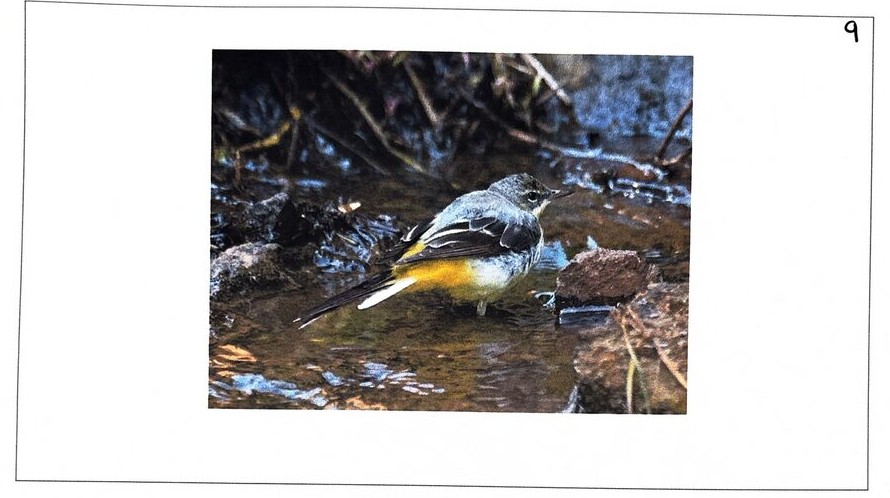
This species of Wagtail is about 18–19cm in overall length. It is quite similar to the yellow wagtail. They migrate in Asia and Africa. Their breeding season is from April to July.


Hoopoes
Hoopoes are colourful birds which are notable for their distinctive “crown” of feathers. Three living and one extinct species are recognized, though for many years all were lumped as a single species — Upupa epops.
Myna
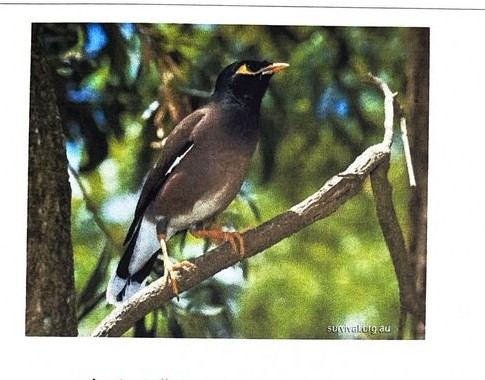
The Myna is most commonly seen in aviculture. It's a medium-sized passerine with strong feet. Their flight is strong and direct, and they are gregarious. Their preferred habitat is fairly open country, and they eat insects and fruit. Typically dark, often brown, although some have yellow head ornaments. Also known for their imitative skills.
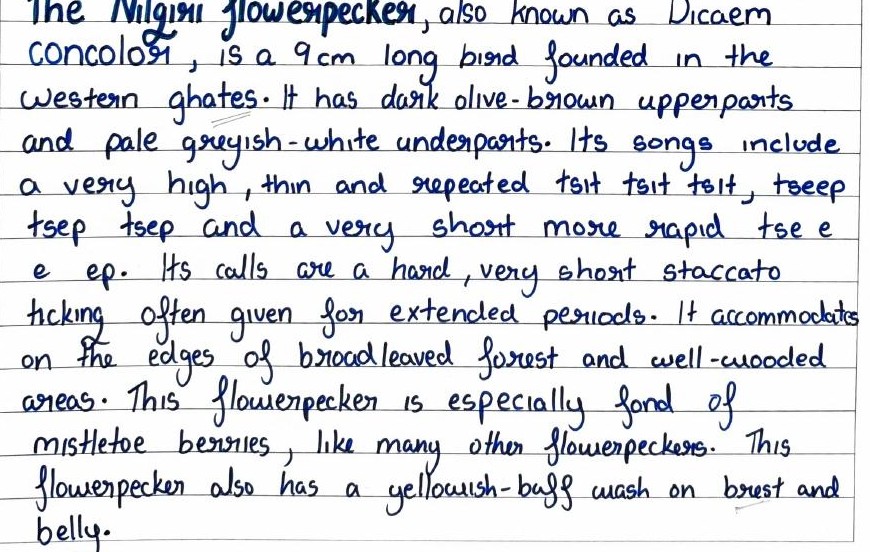
The Nilgiri Flowerpecker
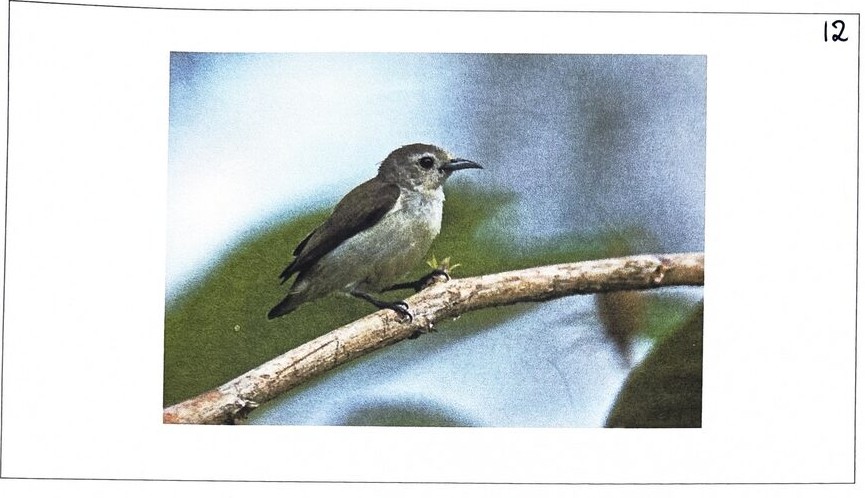
Also known as Dicaeum concolor, a 9cm long bird found in the Western Ghats. It has dark olive-brown upperparts and pale greyish-white underparts, with a yellowish-buff wash on breast and belly. This flowerpecker is especially fond of mistletoe berries, like many other flowerpeckers, and accommodates on the edges of broadleaved forest and well-wooded areas.
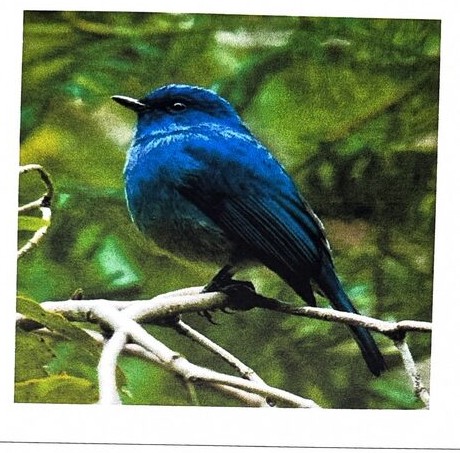
The Nilgiri Flycatcher
This bird is a winter migrant of the Nilgiris, about 13cm long. These species are found in the higher hills. Their breeding season is from March–June, but they lay eggs in April. They build their nest in a cavity in an earthen bank or a tree hole.